
Combustible Gas Detector Essential Safety Tool Guide

A combustible gas detector is an indispensable tool in ensuring safety in environments where flammable gases are present. These devices are designed to detect the presence of hazardous gases such as methane, propane, and butane, which can pose significant risks if not managed appropriately. The primary function of a combustible gas detector is to provide early warning signs of potential leaks or buildups that could lead to fires or explosions.

Understanding how these detectors work is crucial for anyone responsible for maintaining safety standards in industrial settings, residential areas with gas appliances, or any location where combustible gases are used or stored. Combustible gas detectors typically operate using sensors that identify changes in the atmosphere’s composition. When the concentration of a specific gas exceeds safe levels, the detector triggers an alarm to alert individuals to take immediate action.

There are various types of combustible gas detectors available on the market, each suited for different applications. Portable detectors offer flexibility and can be easily moved around different locations for spot checks or emergency situations. Fixed systems are installed permanently at strategic points within a facility to continuously monitor air quality and ensure constant vigilance against potential hazards.

When selecting a combustible gas detector, it’s important détecteur de gaz combustibles to consider factors such as sensitivity range, response time, and ease of use. Sensitivity range determines the lowest concentration level a device can detect accurately; choosing one with appropriate sensitivity ensures reliable detection without frequent false alarms. Response time refers to how quickly a device can recognize dangerous levels; faster response times mean quicker action can be taken to mitigate risks.

Ease of use encompasses intuitive interfaces and straightforward maintenance requirements like sensor calibration and battery replacement procedures—features that enhance user experience while ensuring consistent performance over time.

Proper installation and regular maintenance play critical roles in maximizing the effectiveness of these devices. Installation should follow manufacturer guidelines closely while considering environmental conditions like temperature fluctuations or humidity levels that might affect sensor accuracy over time.

Routine inspections help verify functionality by checking components such as batteries (for portable units) or electrical connections (for fixed systems). Calibration should also occur periodically based on manufacturer recommendations since sensor accuracy may drift due to prolonged exposure under varying conditions.

Training personnel on proper usage protocols further enhances safety measures by equipping them with knowledge about recognizing alarm signals promptly alongside executing evacuation procedures effectively when necessary.

In conclusion, investing in high-quality combustible gas detectors forms part of comprehensive risk management strategies aimed at safeguarding lives and assets from potentially devastating incidents involving flammable gases—a proactive approach towards fostering safer working environments across diverse sectors worldwide.

Window Air Conditioner vs Split AC: Which One Should You Buy?

Choosing between a window air conditioner and a split air conditioner depends on several factors including room size, installation preferences, budget, and aesthetic considerations. Both types of air conditioners serve the primary function of cooling indoor spaces but differ significantly in design, performance, and usability. Understanding these differences can help you make an informed decision that suits your specific needs.

Window air conditioners are compact units designed to fit into a single window or sometimes through a wall opening. They combine all components-compressor, condenser, expansion valve, and evaporator-into one box-like structure. This makes installation relatively simple since it requires only one unit to be mounted in the window frame with minimal technical expertise. Window ACs are typically more affordable upfront compared to split systems and work well for small rooms or apartments where space is limited. However, they tend to be noisier because the compressor is located inside the room itself. Additionally, their cooling capacity is generally lower than that of split ACs.

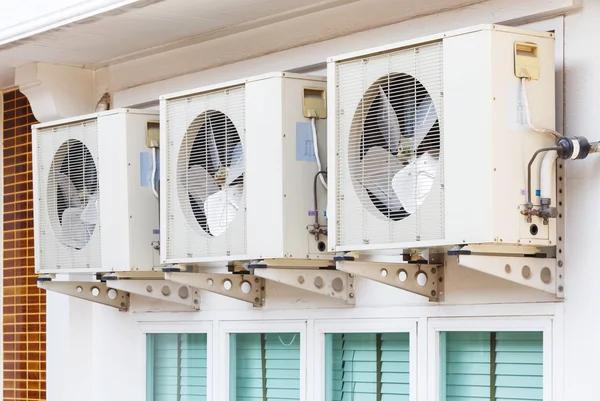
Split air conditioners consist of two separate parts: an outdoor unit housing the compressor and condenser, and an indoor unit containing the evaporator coil and blower fan. These two units are connected by refrigerant piping and electrical wiring through a small hole in the wall. Split systems offer greater flexibility in terms of placement since only the indoor unit appears inside while noise-producing components remain outside. This setup results in quieter operation indoors along with better energy efficiency due to advanced technology used in modern models. Split ACs also provide superior cooling performance suitable for larger rooms or multiple connected spaces within homes or offices.

When considering maintenance aspects, window ACs require less professional servicing because they have simpler designs; however, cleaning filters regularly remains important for both types to maintain efficiency and air quality. Split ACs may involve higher maintenance costs over time due to their complex installations but often come with added features such as inverter technology that adjusts power consumption based on cooling demand.

In terms of aesthetics and space utilization, split air conditioners blend seamlessly into interiors without obstructing windows or natural light sources whereas window units can block part of your view or ventilation when installed improperly.

Ultimately deciding which system to buy involves balancing initial investment against long-term benefits like energy savings and comfort level preferences. If you need an economical solution for a smaller area with straightforward installation requirements, a window AC might be suitable. On the other hand, if quiet operation combined with efficient cooling across larger spaces matters most-and budget allows-a split Window Air Conditioner would be preferable despite its higher upfront cost.

Both options have merits depending on individual circumstances; evaluating your living environment alongside usage patterns will guide you toward making the best choice between these two popular cooling solutions.