

Choosing between a window air conditioner and a split air conditioner depends on several factors including room size, installation preferences, budget, and aesthetic considerations. Both types of air conditioners serve the primary function of cooling indoor spaces but differ significantly in design, performance, and usability. Understanding these differences can help you make an informed decision that suits your specific needs.
Window air conditioners are compact units designed to fit into a single window or sometimes through a wall opening. They combine all components-compressor, condenser, expansion valve, and evaporator-into one box-like structure. This makes installation relatively simple since it requires only one unit to be mounted in the window frame with minimal technical expertise. Window ACs are typically more affordable upfront compared to split systems and work well for small rooms or apartments where space is limited. However, they tend to be noisier because the compressor is located inside the room itself. Additionally, their cooling capacity is generally lower than that of split ACs.
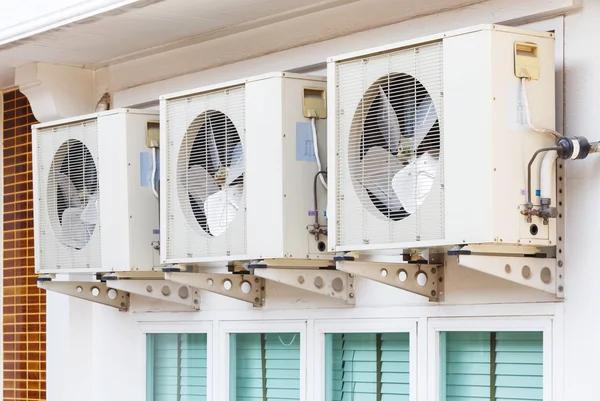
Split air conditioners consist of two separate parts: an outdoor unit housing the compressor and condenser, and an indoor unit containing the evaporator coil and blower fan. These two units are connected by refrigerant piping and electrical wiring through a small hole in the wall. Split systems offer greater flexibility in terms of placement since only the indoor unit appears inside while noise-producing components remain outside. This setup results in quieter operation indoors along with better energy efficiency due to advanced technology used in modern models. Split ACs also provide superior cooling performance suitable for larger rooms or multiple connected spaces within homes or offices.
When considering maintenance aspects, window ACs require less professional servicing because they have simpler designs; however, cleaning filters regularly remains important for both types to maintain efficiency and air quality. Split ACs may involve higher maintenance costs over time due to their complex installations but often come with added features such as inverter technology that adjusts power consumption based on cooling demand.
In terms of aesthetics and space utilization, split air conditioners blend seamlessly into interiors without obstructing windows or natural light sources whereas window units can block part of your view or ventilation when installed improperly.
Ultimately deciding which system to buy involves balancing initial investment against long-term benefits like energy savings and comfort level preferences. If you need an economical solution for a smaller area with straightforward installation requirements, a window AC might be suitable. On the other hand, if quiet operation combined with efficient cooling across larger spaces matters most-and budget allows-a split Window Air Conditioner would be preferable despite its higher upfront cost.
Both options have merits depending on individual circumstances; evaluating your living environment alongside usage patterns will guide you toward making the best choice between these two popular cooling solutions.